

Why Australia's Environmental Sites Are Perfect for Documentary Inspiration
Australia's Diverse Natural Wonders
The Australian landscape is a documentary filmmaker’s dream, boasting varied ecosystems that make for captivating narratives. Starting with the lush rainforests, these environments offer an explosion of life and colour, reminiscent of the vivid scenes captured in South American tours. The rich biodiversity found here parallels iconic destinations like the Galapagos islands tours, known for their unique ecosystems.
Stunning Rainforests
Tropical rainforests, such as those in Queensland, teem with flora and fauna. A visit to the Australian Centre for the Moving Image will help you understand how these lush backdrops enhance storytelling by providing rich textures and dynamic settings. These rainforests not only support diverse wildlife but also serve as an essential carbon sink, a critical focus for anyone interested in environmental storytelling.
Unique Marine Environments
Beyond the forests, Australia's marine environments hold innumerable treasures. Exploring the intricate coral reefs and coastal habitats mirrors the vibrancy encountered during Central America tours, where the aquatic life is equally mesmerizing. For filmmakers, these waters offer a realm of undiscovered stories waiting to be told, where every dive unravels new artistic possibilities.
Diverse Arid Landscapes
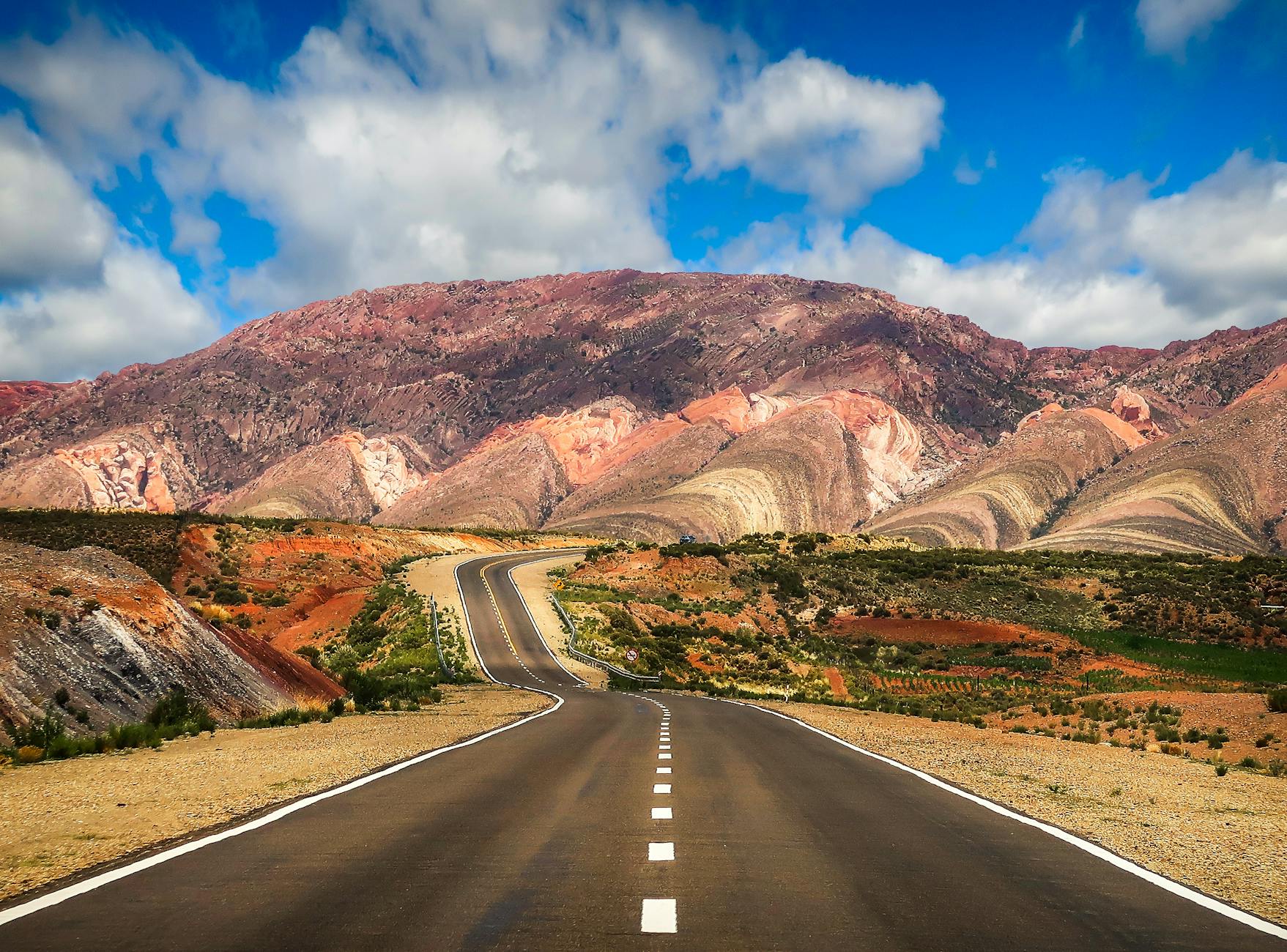
Australia's arid landscapes, such as the Outback, are equally compelling. These barren yet beautiful expanses provide an austere beauty that contrasts dramatically with the rainforests and coastlines. Their vastness and solitude create a backdrop perfect for narratives of survival and endurance. With their unique cinematic appeal, these arid regions are a testament to nature’s resilience, inspiring filmmakers to craft stories that resonate deeply with a global audience.
This range of ecosystems showcases the diverse storytelling opportunities in Australia, a producer's paradise where natural wonders become compelling characters in their own right.
Iconic National Parks
Stepping into the realm of iconic national parks, one cannot overlook the treasures within Australia's borders. Among them, Kakadu stands out as a paragon of rich biodiversity. Its vast landscapes serve as a canvas painted with a plethora of wildlife species, offering an unparalleled experience for those yearning to understand Australia's ecological tapestry. As an experienced documentary filmmaker, you’ll find that Kakadu's vibrant ecosystem echoes the dynamic nature captured at the Australian Centre for the Moving Image in Melbourne.
Kakadu's Rich Biodiversity
Kakadu National Park is not just a hub for tourists, but a vital sanctuary for innumerable species. If you have explored Central America travel routes, you'll find Kakadu presents a different yet equally captivating biodiversity. Here, saltwater crocodiles, various bird species, and unique flora coexist. Filmmakers often face the challenge of capturing these elements authentically, balancing the narrative between visual beauty and ecological truth.
Daintree's Ancient Heritage
The Daintree Rainforest holds a reputation as one of the world's oldest living ecosystems. It offers rich narratives for filmmakers striving to connect with stories that transcend time. The rainforest's ancient roots resonate with the atmospheric stories you might encounter on Antarctica cruises. Filmmakers often delve into the Daintree with the goal of showcasing not just its natural wonders but also the indigenous culture that it nurtures—a challenge that requires a sensitive and informed approach.
Great Barrier Reef's Ecosystem
Venturing beneath the waves, the Great Barrier Reef unfurls a vibrant underwater world teeming with life. For those who have an affinity for Cuba travel and its coastal allure, the reef offers a unique underwater experience. Capturing its essence on film demands meticulous planning, aligning with conservation efforts to avoid any adverse impacts on the fragile coral systems. This experience draws a parallel to the cultural vibrancy and community-focused narratives found at Melbourne's Federation Square.
Influence on Filmmaking
The allure of Australia's diverse landscapes is sensational when seen through the lens of filmmaking. Our country's sweeping vistas and untouched environments ignite the imagination and inspire filmmakers to capture the natural beauty that distinguishes us from other continents. Them cinematic charm of Australia's landscapes can rival the mystique and grandeur one might experience on South America tours, where filmmakers are equally drawn to the vibrant tango of geography and biodiversity.
Showcasing Unique Wildlife
Australia offers an unparalleled opportunity to illustrate an array of exotic and unique wildlife. Film projects that focus on Australian wildlife can create compelling narratives that captivate audiences worldwide. Filming kangaroos bounding through open fields or koalas nestled among eucalyptus leaves offers an emotive glimpse into our rich animal kingdom, much like the evocative wildlife experiences found in South America travel.
Highlighting Conservation Efforts
Thanks to the vibrant conservation scene here in Australia, filmmakers find substantial stories that highlight environmental stewardship and protection efforts. Our documentaries not only showcase nature's raw beauty but also communicate the critical narrative of preservation, similar to initiatives seen in global conservation projects. This narrative aligns beautifully with the projects featured in the Australian Centre for the Moving Image, where stories of environmental balance and sustainability are championed.
Filmmakers documenting these aspects assert the importance of conservation in a way that is both informative and inspiring. Through engaging storytelling, they promote a message of ecological responsibility that resonates with audiences who share a passion for active engagement with our environment.
Engaging with Local Communities
Indigenous Cultural Insights
When exploring the diverse landscapes of South America holidays, the rich tapestry of indigenous cultures offers profound insights. The chance to learn directly from local communities can prove invaluable for environmental scientists like myself, providing a deeper understanding of cultural heritage and traditional ecological practices. Experiencing such insights is akin to stepping into a living history book, where every conversation with an elder or community leader reveals a chapter from the past, including the struggles and triumphs in preserving their environment.
Supporting Eco-Friendly Tourism Initiatives
Authentic travel experiences are defined not only by destinations but by efforts to support sustainable tourism. Through Central American tours, I've learned how local organisations foster eco-friendly initiatives, such as community-run lodges and sustainable wildlife viewing platforms. These initiatives do more than just minimise the ecological footprint; they empower communities by offering economic benefits while safeguarding natural resources. When engaging in these projects, it feels as though you're contributing directly to ongoing conservation efforts, transforming tourism into a collaborative exercise rather than a transactional one.
Participating in Conservation Projects
Participating in hands-on conservation projects turns travel into a meaningful contribution to our planet's health. Whether it's planting mangroves in coastal regions or volunteering in biodiversity surveys, such activities provide practical ways for travellers to give back. Aligning these excursions with personal and professional commitments, like those I maintain as an environmental scientist, ensures that travel not only enriches me personally but also supports global ecological initiatives. Engaging with these community-led projects is a reminder that every small effort counts toward a more sustainable future.
Best Practices in Filmmaking
Ethical Filming Guidelines
When I think back to the vibrant discussions held at the Australian Centre for the Moving Image, the subject of ethical filming remains a pressing concern. As filmmakers, we must tread carefully, respecting Australia's stunning environments, from the verdant rainforests to the expansive arid landscapes. It's essential to obtain the necessary permits and consult with local communities and environmental experts. Embracing ethical practices not only ensures the sustainability of these precious ecosystems but also amplifies the authenticity and resonance of the final piece.
Collaborating with Environmental Experts
Teaming up with environmental experts early in the filmmaking process can be transformative. Their insights, often reminiscent of the depth of exhibits at the Melbourne Museum, guide us in framing narratives that are both compelling and respectful. This collaboration opens up a treasure trove of information, from little-known facts about the Great Barrier Reef's complex ecosystem to the hidden stories of Kakadu's biodiversity. With their expertise, we ensure that our narrative is grounded in reality, providing a richer storytelling experience.
Ensuring Minimal Environmental Impact
In the whirlwind of production, it's all too easy to overlook the impact on our surroundings. At every step—from scouting locations to the final cut—a diligent approach to environmental impact is imperative. Simple acts like minimizing waste, using eco-friendly materials, and being mindful of wildlife are paramount. By choosing sustainable practices, we protect these settings for future generations while crafting stories that resonate deeply with audiences, much like the cultural events that illuminate Federation Square.